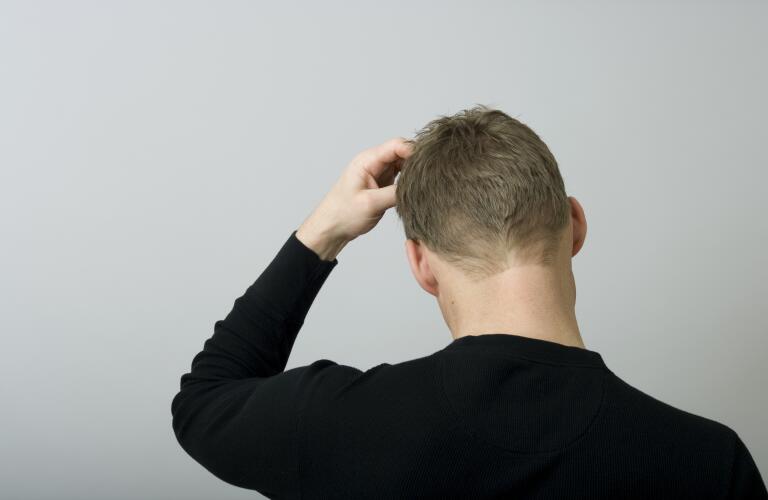
Over 8 million Americans live with psoriasis, a chronic skin condition that causes itchy, flaky, red patches to appear on the surface of the skin. While psoriasis can appear anywhere on the body, for many psoriasis causes patches to form on the scalp.
Scalp psoriasis affects as many as 60% of people living with psoriasis. In some cases, patches extend beyond your hairline onto your forehead, neck, or around your ears. And while scalp psoriasis is common, you may still be embarrassed when you have a flare-up. Fortunately, it’s possible to manage. You doctor can help you develop an effective treatment plan that addresses your personal symptoms.
Scalp psoriasis forms as a result of extra cells building up on the surface of your skin. You may only have a few patches, but it’s possible for scalp psoriasis to cover the entire surface of your scalp. Depending on the location and size of a patch, it may be possible to hide it with your hair.
But some patches can’t be hidden, or they’re large enough to cause unpleasant symptoms. You may notice your scalp is dryer and itches more, and it may bleed if you scratch your psoriasis frequently. For many, scalp psoriasis causes silvery-white scales that flake easily, making it appear as though you have dandruff. In some cases, scalp psoriasis causes temporary hair loss, usually as a result of excessive scratching or forcibly removing a scale.
Like other types of psoriasis, scalp psoriasis usually flares up in response to certain triggers. Your triggers may be different from another person’s, but for many people, stress, infections, cold temperatures, dry air, smoking, and heavy alcohol consumption may make flare ups more likely.
Treatment for Scalp Psoriasis
Even though scalp psoriasis can cause embarrassing and uncomfortable symptoms, it is possible to treat your symptoms and manage them effectively. Your doctor may suggest a combination of treatments for your psoriasis symptoms.
There are many over-the-counter products designed to ease the symptoms of scalp psoriasis flare ups. For mild scalp psoriasis, your doctor may recommend medicated shampoos containing tar or salicylic acid. Additionally, topical treatments, like corticosteroid and vitamin D gels, creams, and ointments, may help ease your symptoms and bring your scalp psoriasis under control.
If you have a moderate or severe case of scalp psoriasis, your doctor may recommend treatment with prescription strength non-steroidal topical gels, ointments, or creams. These medications help to reduce inflammation and slow down extra cellular growth in your skin. For especially severe cases, your doctor may suggest a biologic, like Methotrexate, which works throughout your body to reduce the rate of extra cell growth.
Also, UV light therapy may be used to supplement your treatment regimen. Light treatments work best if your head is shaved or if you have thin hair, since hair blocks most of the light from reaching your scalp.
Living with Scalp Psoriasis
Even if you’re receiving treatment for scalp psoriasis, it can still be difficult to live with your condition. But you can take steps to make life easier with scalp psoriasis, even if it’s more severe:
- Try not to itch—itching can actually make psoriasis worse and may cause bleeding and hair loss.
- Use shampoo gently—when applying shampoo, avoid rubbing or scrubbing, which may make psoriasis worse.
- Use a scale softener—scale softeners help to soften thick psoriasis patches and can help medicated shampoos or topical medications work better.
- Remove scales carefully—your doctor may suggest you remove scales that form on your scalp. It’s important to do this as gently as possible, since picking at scales can cause more flare ups and hair loss.
- Try not to stress—it can be stressful to live with scalp psoriasis, but extra stress can exacerbate flare ups and make your symptoms worse.
- Don’t give up—if one therapy seems ineffective talk to your doctor about other treatments. There are plenty of options and there is one out there that will work best for you!
Even though scalp psoriasis is common, you still may feel alone if you’re trying to manage this condition. But it’s possible to ease your symptoms and help your skin heal. Talking with your doctor is the best first step toward finding effective treatment options that help you manage your scalp psoriasis.