Psoriasis is a chronic skin condition. It occurs when an overactive immune system causes skin to grow faster than it should. The skin builds up in patches and becomes itchy and scaly.
Psoriasis can occur on various parts of the body. In rare cases, it can occur around the eyes.
Read on to find out more about the symptoms and causes of psoriasis around the eyes. This article also discusses treatment options, contacting a doctor, and more.
What are the symptoms of psoriasis around the eyes?
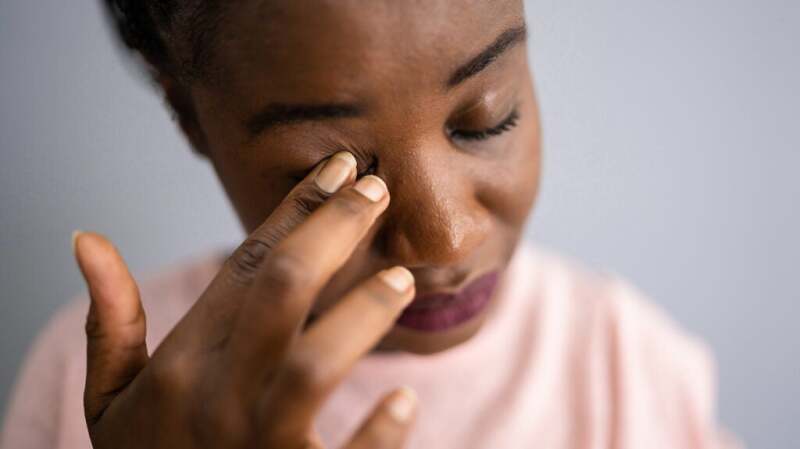
Symptoms of psoriasis around the eyes can include:
- dryness
- scaly skin
- itchiness
- redness on lighter skin
- purplish or darker patches on darker skin
If you have psoriasis around the eyes, you may also experience symptoms of blepharitis. Blepharitis can happen if you have too many bacteria on your skin or if the oil glands become clogged. Symptoms affect the eye and eyelid, and can include:
- itchiness
- feeling that there is something in the eyes
- watering eyes
- sensitivity to light
- dry eyes
- swelling
- crusty eyelashes
You may experience symptoms of psoriasis on other areas, such as the:
- face
- scalp
- elbows
- knees
- palms of the hands
- soles of the feet
- ears
- mouth
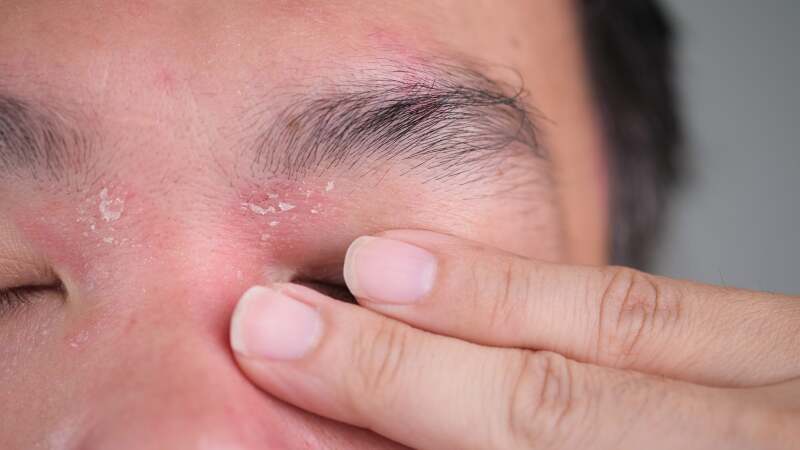
What does psoriasis around the eyes look like?
View the slideshow below for photos of psoriasis around the eyes.


What causes psoriasis around the eyes?
Psoriasis is an autoimmune condition. An overactive immune system causes inflammation, which speeds up the natural process of the skin cells. This can cause skin cells to pile up instead of shedding.
Skin cells typically grow and then shed within about 1 month. With psoriasis, the process takes 3–4 days.
While the reason for this is unclear, researchers have identified triggers that may cause psoriasis to develop. Triggers include:
- stress
- injury to the skin
- infection, such as strep throat
- cold, dry weather
- tobacco
- excess alcohol consumption
- certain medications, such as hydroxychloroquine, lithium, and prednisone
What are the treatments for psoriasis around the eyes?
The skin around the eyes is more sensitive and needs to be handled with more care than other parts of the body.
Medical treatments your doctor may recommend for psoriasis around the eyes include:
- topical ointments, such as tacrolimus, to reduce skin irritation
- topical steroid cream for short-term relief from symptoms
- topical antibiotics if an infection occurs
- oral medications, such as apremilast, to reduce skin thickness and scales
- injectable medications, such as biologics
Self-care tips may also help you manage symptoms of psoriasis around the eyes. These can include:
- applying a warm compress
- gently massaging the eyelids
- applying a fragrance-free moisturizer
Your doctor can advise you on treatments and ways to manage your symptoms at home.
Contact your doctor as soon as you have concerns about psoriasis. Also contact your doctor if you notice changes to the skin around your eyes.
They will confirm the diagnosis and advise you on treatments to manage the condition and reduce the risk of complications.
How do doctors diagnose psoriasis?
Your doctor may refer you to a dermatologist for a diagnosis. The dermatologist will examine your skin and ask questions about your symptoms.
They may be able to diagnose the condition at this stage. However, they may decide to perform a skin biopsy to confirm the diagnosis. This involves removing a small sample of the affected skin for laboratory analysis.
Are there any complications of psoriasis around the eyes?
Without proper care and treatment, psoriasis may lead to complications, including:
- uveitis, inflammation in the eye
- conjunctivitis, “pink eye,” inflammation of the moist tissue covering the white of the eye and the inside of eyelids
- episcleritis, inflammation of the episclera, the tissue between the sclera and conjunctiva
Overuse of certain topical ointments around the eyes may increase the risk of certain eye conditions. These include cataracts and glaucoma. Following the treatment plan you create with your doctor or dermatologist can help to reduce this risk.
Can I prevent psoriasis around the eyes?
Because the exact cause of psoriasis around the eyes is unknown, you may not be able to prevent it. Avoiding triggers may help to prevent psoriasis from developing or from triggering a flare-up of symptoms.
Following your treatment plan may help to prevent flare-ups and reduce the severity of complications.
Psoriasis around the eyes causes dry, itchy, scaly skin. It happens when an overactive immune system causes inflammation. This in turn causes skin cells to grow and shed too quickly.
Your dermatologist may recommend topical ointments to alleviate symptoms of psoriasis around the eyes. Oral medication may be helpful if you also experience psoriasis in other areas.
Home remedies, such as applying a warm compress and using a fragrance-free moisturizer, can soothe dry, itchy skin.
Contact your doctor or dermatologist for advice if you have concerns about psoriasis. They will confirm the diagnosis and advise you on treatments to manage the condition.