People with asthma often need inhaled medications to manage their condition and treat or prevent asthma attacks. Though metered-dose inhalers are common, doctors may recommend nebulizers for people who can’t use inhalers or find them difficult to use.
This article discusses how to use a nebulizer for asthma, how to clean it, and when to use it.
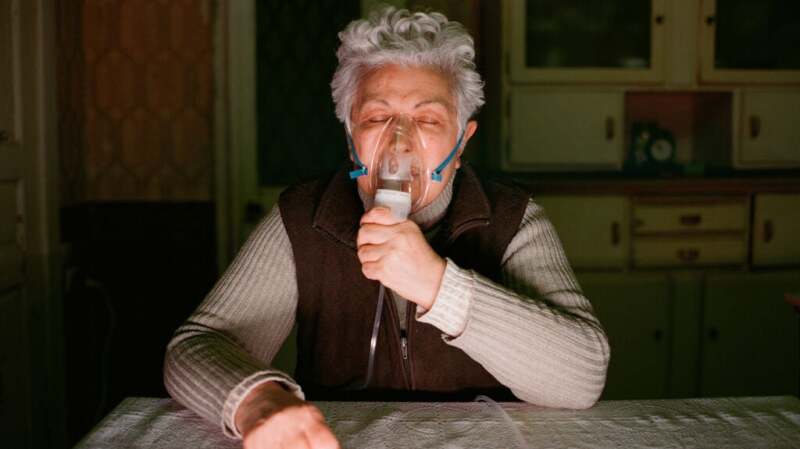
There is a procedure to follow each time you use a nebulizer. It involves setting up the three basic nebulizer components — the compressor, the air tubing, and the medication cup and mouthpiece. The process generally consists of the following steps:
- Place the nebulizer on a stable surface. Some nebulizers require an electrical outlet, while others are battery-powered. Most are relatively small and easy to move so you can place them in a suitable environment for treatment.
- Wash your hands with soap and warm water. The Centers for Disease Control and Prevention recommends scrubbing your hands for no less than 20 seconds to prevent germs from spreading.
- Make sure the air tubing connects to the compressor.
- Detach the medication cup from the mouthpiece. Hold it upright and fill it with the prescribed amount of medication. Then, reattach the medication cup to the mouthpiece component and keep it upright.
- Attach the other end of the air tubing to the bottom of the medication cup.
- Turn on the compressor. Once the machine powers up, you will see a mist coming out of the mouthpiece. Some nebulizers have a valve you must cover to create the mist.
- Place the mouthpiece in your mouth and make a seal by closing your lips around it. This will ensure that the medication goes into your lungs instead of leaking out the sides of your mouth. Masks that cover the nose and mouth are available for babies and young children who may find it difficult to keep a good seal.
- Begin breathing through your mouth, taking natural, even breaths. You breathe in and out through the mouthpiece.
- Sit upright during the treatment and keep the medication cup upright to ensure complete medication delivery. Pediatric masks may allow children to lie down during the treatment. Your doctor may tell you to take deep breaths occasionally or to hold your breath during the treatment briefly. The treatment should take about 10 minutes until the medication cup is empty and the mist stops.
- Turn off the machine and remove the medication cup and mouthpiece.
Each nebulizer is a little different. Read the manufacturer’s instructions thoroughly. In addition, ask about mixing nebulizer medications. You must nebulize some medications by themselves, while you may be able to combine others in the medication cup.
The Asthma and Allergy Foundation of America (AAFA) also provides some general cleaning guidelines for nebulizers:
- After disassembling the nebulizer, wash each part with warm water and dish soap and then rinse them. Some nebulizers may be dishwasher-safe. Check with the manufacturer.
- Shake off any excess water and reassemble the nebulizer to dry.
- Once the device is completely dry, pack the device away in its original container.
- Every other treatment day, soak the nebulizer in a solution comprising 3 parts hot water and 1 part distilled white vinegar. Then, rinse the device and dry it completely before storing it.
Each manufacturer may have a slightly different cleaning process. Check their recommendations and follow them closely. The AAFA notes that improperly cleaned nebulizers may not work effectively for long. Your doctor or pharmacist may also have some cleaning tips.
If you are not getting the full benefits from an inhaler, your doctor may recommend using a nebulizer. Nebulizers turn liquid medication into a mist you can inhale. You breathe through the mouthpiece while the machine does the work. The mist delivers your asthma medication into your lungs as you inhale and exhale.
You can use a nebulizer to take long-term or maintenance asthma medications to manage your condition and prevent asthma attacks. Inhaled corticosteroids are the most common type of long-term management medication. There are several choices in the corticosteroid class of medications you can use in a nebulizer, such as budesonide (Pulmicort).
Sometimes, your doctor may recommend using cromolyn sodium (Intal) in a nebulizer. It reduces the body’s inflammatory response and is an alternative to inhaled corticosteroids.
Nebulizers can also deliver rescue or quick-relief medications to treat asthma attacks. Short-acting beta-agonists such as albuterol (ProAir HFA) are common rescue medications, several of which are available as nebulizer solutions.
Your doctor can help you develop an asthma action plan that determines when to use rescue medications and how often to use them. Your asthma action plan will also usually outline the steps you need to take if your rescue medication does not seem to be helping.
Nebulizers can be an option for people who may be unable to get the full benefits of inhalers. These devices can deliver maintenance medications to manage asthma and prevent asthma attacks. They can also deliver quick-acting medications to treat asthma attack symptoms.
Talk with your doctor about how to use and maintain a nebulizer for asthma.