Crohn’s disease is a type of inflammatory bowel disease (IBD) that causes irritation in the digestive tract. It is common for Crohn’s disease to also cause inflammation and irritation in other systems of the body.
The type and severity of skin rashes linked to Crohn’s disease can vary. With a Crohn’s disease–related rash, the skin may develop marks, ulcers, or plaques. For some people, these skin symptoms may be the first symptom of Crohn’s disease.
Depending on the symptoms and triggers, your doctor can provide treatment to help alleviate symptoms and prevent flare-ups.
This article explains the different types of Crohn’s disease rash, including symptoms, causes, and treatment. This article also discusses when to contact a doctor and provides pictures.

Erythema nodosum appears as nodules under the skin, which may cause discoloration or redness. This condition usually develops in the lower limbs, in particular on the shins. However, it can appear anywhere on the body.
According to a 2015 review, erythema nodosum is one of the most common skin presentations of Crohn’s disease. It may occur in 4–15% of people with Crohn’s disease.
Erythema nodosum often coincides with Crohn’s disease flare-ups.
Perianal lesions are lesions or sores located around the anus. About 50% of people with Crohn’s disease may experience lesions in the anal area.
The type of perianal lesions can vary, and include:
- hemorrhoids
- ulcers
- anal fissures, small tears in the tissue in or around the anus
- anal strictures, narrowing of the anal canal
- anal fistulas, small sores or tunnels that form around the anus
- abscesses, pockets of pus
In addition to redness or discoloration of the skin, the lesions may also cause:
- swelling
- soreness or pain
- worsening pain when passing bowel movements
- itching
- discharge, such as pus, from the anus or lesions
Learn more about the symptoms of perianal Crohn’s disease.
People with Crohn’s disease may experience oral lesions known as aphthous stomatitis. These lesions can present as a painful ulcer in the mouth, including on the:
- lips
- inner cheeks
- tongue
- gums
Other symptoms of aphthous stomatitis include:
- a burning sensation for a couple of days before the lesion appears
- ulcers in the mouth
- fever
- recurrent ulcers in the mouth
People with this condition typically develop bumps on their skin that have a discolored or purple rim. These lesions may turn into ulcers that extend many centimeters (cm) across the skin. Sometimes, the lesions appear with a yellowish or discolored base.
Adults usually experience this type of lesion on their lower limbs. In children, pyoderma gangrenosum typically produces lesions on the head and genital area.
While ulcers can heal, they may leave scars.
Skin tags typically form in areas where two patches of skin rub together, particularly around the anus. Skin tags are small growths that:
- may be the same color as your skin
- appear to be hanging off the skin
- range in size from 2 millimeters to 5 cm
- can appear on their own or in a larger group
Skin tags are common and are usually harmless. However, they may cause discomfort or cosmetic concerns.
According to a 2019 review of two population-based studies, 11.1–18.7% of people with Crohn’s disease experience skin tags.
Metastatic Crohn’s disease may be the rarest skin condition related to Crohn’s disease. Metastatic Crohn’s disease refers to a type of skin lesion known as non-caseating granulomas. Small clusters of immune cells cause these granulomas, which may present as:
- erythematous plaques, which are asymmetrical, flat lesions on the skin
- abscesses
- small spots known as papules
- nodules
- fistulas
- ulcers
Metastatic Crohn’s disease often develops on the:
These lesions are not cancerous. They are referred to as metastatic because they spread from the digestive tract to other locations in the body.
Below are some examples of Crohn’s disease–related skin conditions and rashes.

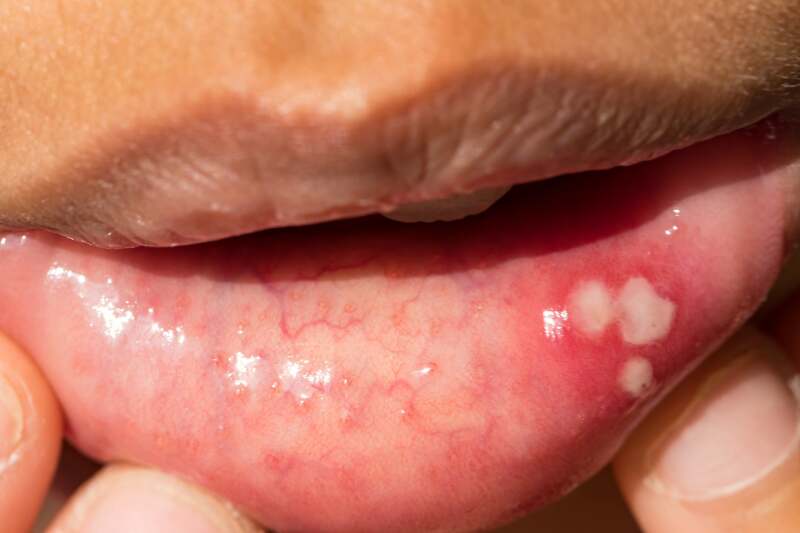


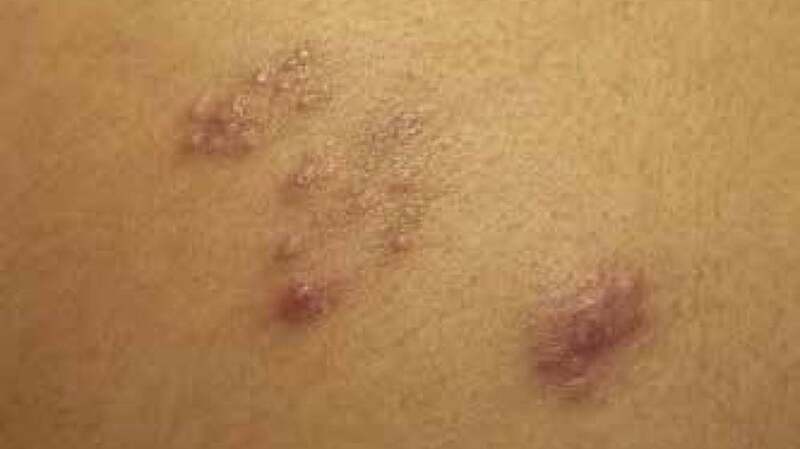
Crohn’s disease may also cause rashes and skin symptoms from related conditions. These conditions may develop as a result of inflammation in the intestines.
Examples include:
- Epidermolysis bullosa acquisita: Epidermolysis bullosa acquisita is a rare chronic autoimmune condition that can cause blisters on the skin.
- Acrodermatitis enteropathica: This is associated with an inherited zinc deficiency. Acrodermatitis enteropathica can cause blisters and plaques to develop on the skin, among other symptoms.
- Sweet’s syndrome: Sweet’s syndrome is a rare condition that can cause oral or genital lesions. These typically appear as plaques or small, dome-shaped bumps.
- Psoriasis: This chronic skin condition can cause the formation of plaques and rashes on the skin.
- Vitiligo: Vitiligo refers to skin with no pigment cells. This can result in areas of paler skin with clearly defined borders around the body. While vitiligo may cause discoloration or inflammation, it usually does not cause discomfort.
- Systemic lupus erythematosus (SLE): SLE is an autoimmune condition that can cause sores or a rash on the skin. The sores may be ring shaped, while rashes may be scaly.
- Autoimmune amyloidosis: Autoimmune amyloidosis is a rare condition that causes a protein called amyloid to build up in the organs. This can cause itchy patches of thickened skin.
- Skin cancer: Skin cancer may cause growths, papules, and colored lesions to appear on the skin. People who use medications known as immunosuppressants for Crohn’s disease may have an increased risk of skin cancer.
Read more about the symptoms of psoriasis and skin cancer.
If you have Crohn’s disease and you develop a rash or other skin symptoms, contact your doctor.
Also contact your doctor if you experience other symptoms alongside skin irritation or changes, such as:
- fever
- rash that worsens or spreads quickly
- pain or discomfort caused by the rash
- broken skin or open sores
- broken skin that drains fluid, such as pus or blood
- rash that covers a large area of your body
- blisters
- red or discolored streaks on the skin
Clinicians are not yet sure what causes Crohn’s disease.
About 40% of people with Crohn’s disease experience extra-intestinal symptoms. These symptoms do not involve the digestive tract. The skin is the most common area to develop extra-intestinal symptoms with Crohn’s disease.
Currently, researchers do not know why only some people develop a Crohn’s disease rash and other skin symptoms. However, they believe Crohn’s disease–related skin conditions may result from:
- environmental triggers and irritation, such as from food
- bacterial infections
- immune responses that cause further irritation
- certain medications, such as immunosuppressants
These triggers may cause inflammation or a heightened immune reaction, causing damage to the skin and other organs.
Medications such as immunosuppressants may trigger specific skin conditions such as psoriasis. However, medications may also lead to rashes as a general side effect.
Another factor that may contribute to skin rashes is that people with Crohn’s disease often experience nutritional problems. The body may not be able to absorb nutrients such as vitamins and minerals effectively because of the inflammation in the digestive tract. Low levels of one or more nutrients may trigger a skin rash.
The treatment for a Crohn’s disease–related rash can vary based on its type and severity. Your doctor can recommend the most effective treatment option for you personally.
Examples of treatments for a Crohn’s disease rash include:
- topical corticosteroids
- antibiotics for bacterial infections
- immunosuppressive drugs
- antitumor necrosis factor biologic medications
- nonsteroidal anti-inflammatory drugs, such as ibuprofen
- nutritional supplements for nutritional deficiencies
- surgery for severe fistulae
- self-care methods, such as:
- keeping the affected skin clean by washing regularly with gentle soap and water
- hydrating the skin with fragrance- and alcohol-free lotions, as a pharmacist recommends
- asking your doctor for over-the-counter product recommendations
- following your prescribed treatment for Crohn’s disease
Read more about management and self-care for rashes.
Your doctor may change your treatment plan if your medication is causing a rash.
People with Crohn’s disease often experience skin symptoms or a Crohn’s disease–related rash. Inflammation with Crohn’s disease can trigger skin reactions.
Skin conditions linked to Crohn’s disease may cause symptoms such as nodules or growths, discoloration of the skin, and itching or tenderness. The symptoms and severity of the rash can vary depending on the underlying condition.
Treatment for a Crohn’s disease–related rash depends on the skin condition. General treatments can include topical ointments and oral medications.
Contact your doctor if you have Crohn’s disease and notice new or persistent skin symptoms.