The current state of NFT art is best described as “visual dogshit,” the artist and provocateur Brad Troemel argued in a recent Instagram slideshow. Nobody actually cares what these images look like, Troemel said, so long as they can be produced quickly in large quantities, while also avoiding risky artistic gestures that might alienate crypto bros.
“The defining production method across all NFTs is that they’re auto-generated as a batch of hundreds or thousands of images to be sold at a time,” Troemel wrote, a strategy that he believes was created to “give a lot of people as little as possible.”
Looking at the viral hype-driven NFT collections, it’s easy to see what he means. The biggest NFT series tend to be procedurally generated cartoons offering variations on a theme: a monkey with sunglasses, a monkey with a gold chain necklace, and so on. These characters are more like intellectual property than art. Like Pikachu or Baby Yoda, they can be endlessly exploited for their recognizability without having to offer us anything new.
This is a common frustration in the art world. In strictly economic terms, NFTs are the biggest thing to happen to art markets in a long time — but most of them are just so insipid that they’d be more interesting if they were actively, aggressively ugly. When investors spend vast sums for a prized token, they are mostly buying bragging rights, more like a rare Fortnite skin than an object of beauty.
But it doesn’t always work that way. Literally anything can be an NFT, even a physical object, as long as it’s tagged to a token on the blockchain. And if you look closer, you’ll find a lot of genuinely interesting digital art that’s been written off because of the general NFT exhaustion.
The critic and curator Tina Rivers Ryan, one of the foremost historians of digital art, told me it’s important to distinguish different tendencies in the NFT space. There’s what she calls blockchain art, which are projects that not only use the blockchain but actively explore its limits to make us rethink concepts like value, ownership, and authenticity (this is the stuff she finds most exciting). Then there’s crypto art, a term she uses for art that celebrates cryptocurrency and its attendant subcultures — ”illustrations of you know, Elon Musk with red laser eyes, or giant gold bitcoins rotating in space.”
Then there’s everything else, most of which is neither blockchain art nor crypto art. “I would simply call it digital art, or digital design, that’s been tokenized in order to allow it to be bought and sold,” she explains.
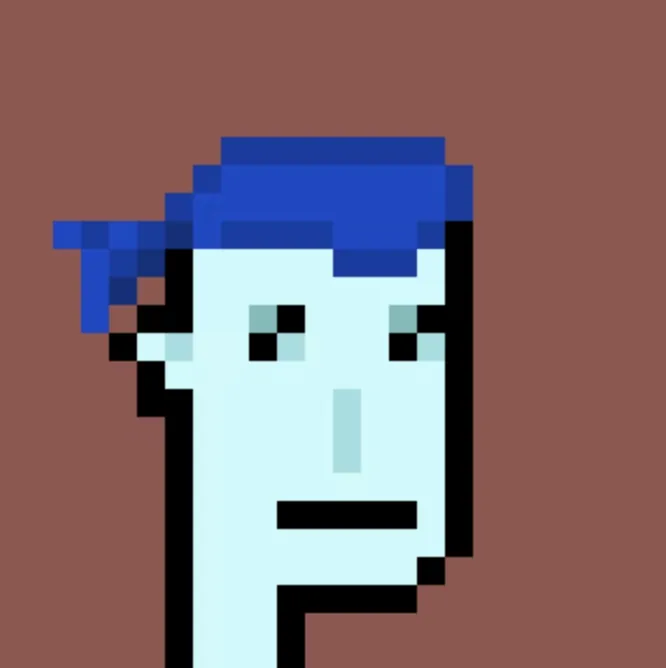
Profile picture projects (PFPs) like Bored Ape Yacht Club mostly belong in the digital design category, and my issue with them is not that they’re repetitive, or even formulaic. Mark Rothko painted the same window-like abstractions in different colors and configurations for over twenty years. Warhol proudly manufactured his silk-screen celebrity paintings at an industrial scale with as little effort as possible — thus the name of his headquarters, the Factory. But unlike PFPs, the work of Rothko and Warhol rewards contemplation. For Rothko, the color field format was his way of inducing a state of transcendent self-examination, since the paintings resist interpretation in a way that diverts viewers’ awareness back to themselves. Warhol, meanwhile, applied industrial logic to fine art in a way that made people completely reconsider their position on what makes an object valuable or beautiful.