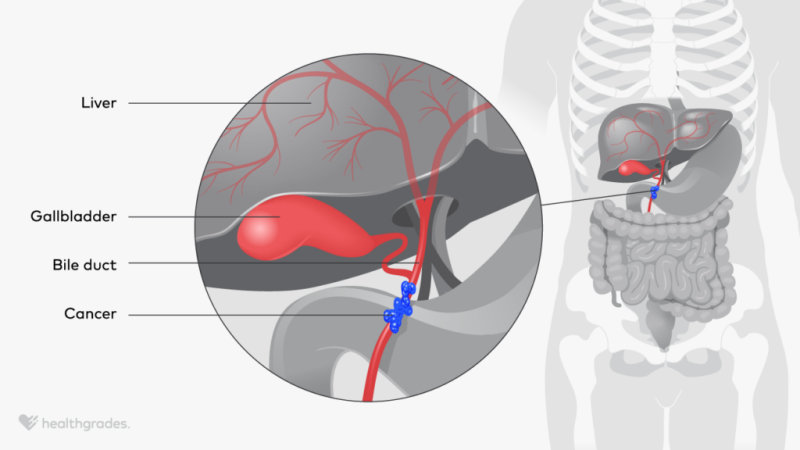
The bile duct is a tube that moves bile from the liver to the gallbladder. The bile eventually passes into the intestines for digestion. The gallbladder and biliary duct make up an area called the biliary tract. Clinicians may refer to bile duct cancer as a type of biliary tract cancer.
Bile duct cancer, or cholangiocarcinoma, may eventually block the bile duct or affect the function of the biliary tract. This leads to symptoms of jaundice, urine or stool changes, and loss of appetite. However, early treatment can help improve outlook and relieve symptoms.
This article discusses bile duct cancer symptoms, the rate of spread, diagnosis, treatment, and outlook.
What are the symptoms of bile duct cancer?
Bile duct cancer usually does not cause noticeable symptoms in its early stages. Other times, symptoms can be vague or difficult to identify.
The American Cancer Society (ACS) suggests that experiencing symptoms may depend on:
- whether the cancer has blocked the bile duct
- whether the cancer is:
- in the intrahepatic ducts, inside the liver
- in the extrahepatic ducts, outside the liver
If you do experience symptoms, they can include:
- jaundice, yellowing or discoloration of the skin and whites of the eyes
- itchy skin
- darker urine
- paler, bulkier, or greasier stools that may float
- loss of appetite
- unexplained weight loss
- fatigue or lethargy
- fever
- feeling hot or having chills
- nausea or vomiting
- abdominal pain
- a general feeling of being unwell
Experiencing these symptoms does not necessarily mean you have bile duct cancer. Your doctor and medical specialists can help find the underlying cause of your symptoms.
Early treatment can help improve outlook. Contact your doctor promptly if you notice symptoms of bile duct cancer.
What happens in the final stages of bile duct cancer?
In advanced stages of bile duct cancer, more symptoms may appear, or existing symptoms may worsen.
If the bile duct is blocked, you may develop jaundice. When bile cannot flow through the duct, the components of bile move into the bloodstream and body tissues instead. This causes discoloration, or jaundice. The ACS suggests that jaundice is the most common bile duct cancer symptom.
You may also experience other complications, such as infection or liver failure.
In advanced stages, your medical team may recommend treatments such as:
- biliary stent or catheter placement, to keep the bile duct open
- bypass surgery, to allow the bile to move around blockages
- tumor ablation, which destroys tumors with radiofrequency or cryotherapy, very cold temperatures
- photodynamic therapy, which uses medications and light therapy to destroy cancer cells
- local anesthesia injections, to temporarily or permanently reduce nerve pain
Learn more about photodynamic therapy.
Talk with your medical team if you have questions about symptoms, treatment, or cancer progression.
How fast does bile duct cancer spread?
Bile duct cancer may spread to the surrounding tissues and blood vessels without early treatment. Later, the cancer may spread to body parts that are far from the bile duct.
How fast bile duct cancer spreads can vary per person. Generally, the National Health System (NHS) considers bile duct cancer to be aggressive, meaning it can spread quickly.
Because symptoms tend not to appear early on, many people with bile duct cancer already have advanced cancer by the time they receive a diagnosis. The Surveillance, Epidemiology, and End Results (SEER) Program suggests that 19% of bile duct cancer diagnoses are made after the cancer has spread to other organs.
However, treatment options are available to help treat cancer and improve outlook.
Read more about the stages and outlook of bile duct cancer.
How is bile duct cancer diagnosed?
Your doctor may start diagnosis by asking about your symptoms and medical history. They may carry out a physical exam.
Your doctor may order further tests to identify the underlying cause of your symptoms. Tests may include:
- blood tests
- imaging scans, such as ultrasound, CT, or MRI
- biopsy, taking a small sample of cells from the bile ducts with a special needle
- endoscopic ultrasound or retrograde cholangiopancreatography, inserting a thin tube with a camera through the mouth to show images of the bile duct
- percutaneous transhepatic cholangiography (PTC), a type of X-ray or ultrasound that involves injection of a dye to clearly reveal the bile duct
Your medical team may give you anesthetics for biopsy, endoscopy, and PTC exams to help avoid discomfort or pain.
What is the treatment for bile duct cancer?
Treatment for bile duct cancer can depend on:
- size and stage of the cancer
- rate of growth of the cancer
- its type
- location of the cancer
- your underlying health
General treatments for bile duct cancer include:
- chemotherapy
- radiotherapy
- medications to relieve symptoms or side effects, such as pain relief or antinausea medications
- targeted therapy, a type of medication to help reduce cancer growth
- immunotherapy, a type of medication that modifies the immune response
- palliative care, such as counseling or nutritional changes, to improve quality of life
- surgery, such as:
- surgical removal of the cancer
- bypass surgery
- surgery to unblock the bile duct
- stent or catheter placement
Your medical team may recommend a combination of treatments.
Not everyone is eligible for all treatment options. For example, your doctor may recommend surgery to remove the cancer only if the tumor is small and has not spread.
If you have questions about your treatment, contact your doctor.
Often, bile duct cancer does not cause noticeable symptoms in the early stages. In addition, any symptoms may be general or hard to notice. Symptoms more often appear when the cancer has grown or is affecting the function of the bile duct and other tissues.
Bile duct cancer symptoms can include jaundice, itchy skin, and pale or greasy stools. Bile duct cancer may also cause loss of appetite, fever, or darker urine.
Generally, bile duct cancer can grow quickly, and may spread before you receive a diagnosis. However, treatment can still help reduce or stop the cancer and alleviate symptoms.
Talk with your doctor promptly if you notice possible symptoms of bile duct cancer.